
Becoming a Hardware Dealer in India: Cost, What to Stock and What to Ask
Taking on a new hardware brand is a shelf-space bet, not a purchase. Here is what it really costs, what to stock first, and what to ask before you commit.
What you are actually deciding
Taking on a hardware brand is not a purchasing decision, it is an allocation decision. You are committing shelf space, working capital and — most significantly — your own recommendation to a customer.
That last part is what gets underweighted. When a fitting fails a year later, the customer does not return to the manufacturer. They return to you. A brand that fails quietly costs a retailer far more than the margin it earned.
So the useful questions are not really about price. They are about what happens after the first order.
What a hardware dealership really costs
The first thing to separate is the fee from the stock. Some brands charge a registration, franchise or security amount just to sign you up. That money buys nothing you can sell.
What you actually pay for is opening stock, and that depends on your city, your shop and how wide a range you want. There is no honest single number, and anyone quoting one without asking about your shop is guessing.
Beyond stock, your main costs are the ones you already know: rent, staff and credit to your own customers. So the useful way to plan is to decide how much working capital you can tie up in slow-moving stock, then start below that.
With Leena Hardware there is no registration, joining or franchise fee. You pay only for the stock you order, and you can start small.
The minimum order question
The first practical barrier to trying a new brand is usually the minimum order. Committing to hundreds of pieces of something you have never handled is a genuine risk, and it is why most retailers stay with an incumbent long after they have stopped being the best option.
It is worth asking directly, because the answer tells you how the supplier is set up. High minimums generally mean production is being aggregated and volume is needed to make a run worthwhile — and that all the inventory risk sits with you.
Our minimums are deliberately low: one piece on decorative brass, two on smaller hardware items such as soap dishes, rising to around 100 only on the smallest high-volume products. In practice that means you can put a handful of individual pieces on the shelf and let your customers decide what to stock properly, rather than committing a season of capital to a guess.
What to stock first
If you are starting a hardware counter or adding a new supplier, start with what moves fastest. This is the order our own range sells in, by number of pieces:
- SS handles. By far the biggest line. The 6 and 8 inch lead, with dustagi and rod handles behind them.
- L-brackets and supports. Steady, repeat items. The 75×25 and 100×25 mm brackets sell the most.
- Tower bolts. The 4 and 6 inch are the sizes to keep in depth.
- Aldrops. The 8 and 10 inch sell the most.
- Gate hooks and khunti. Smaller items that round out an order.
- Door kits. Fewer pieces, but a complete kit is a bigger sale for one door.
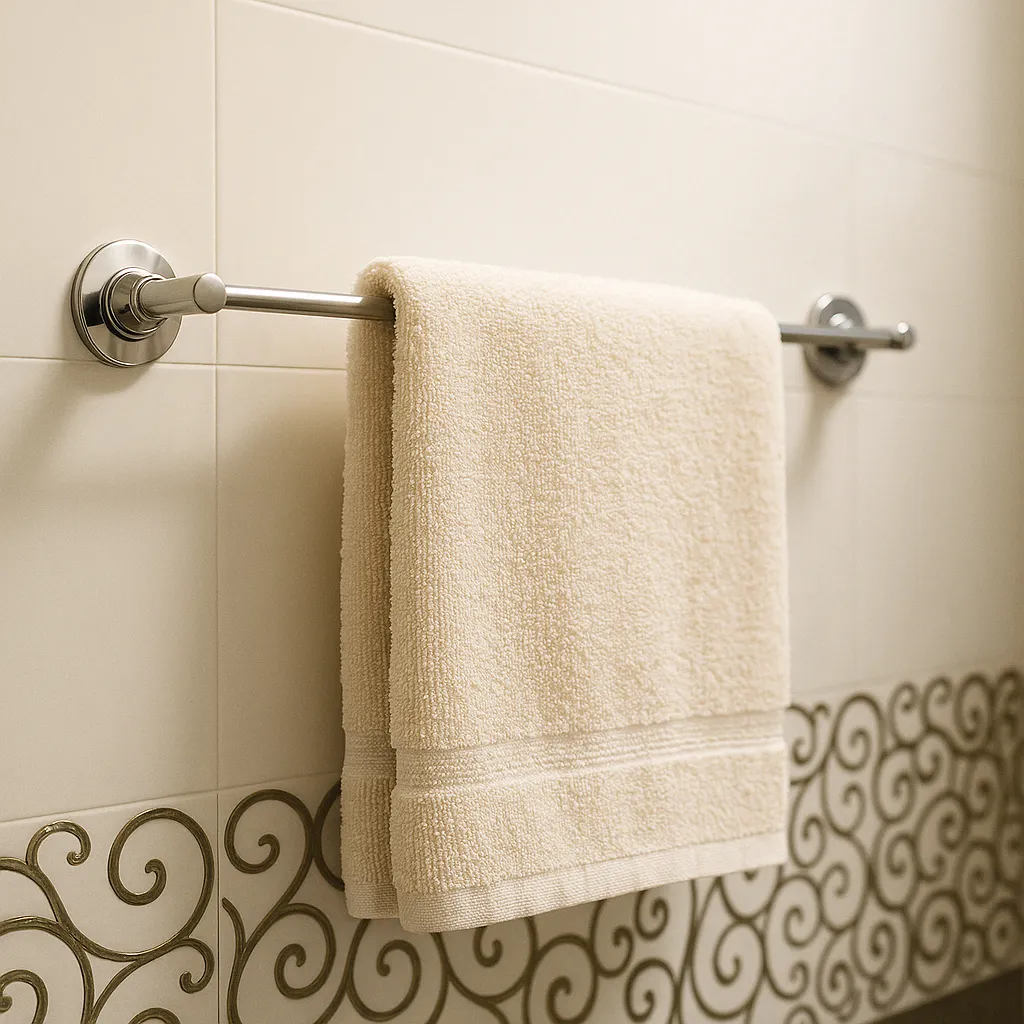
Bathroom accessories sell in smaller numbers, but they bring in the customer fitting out a whole house, so a small range of soap dishes, towel rods and rings is worth carrying alongside them.
Your own area may differ, which is one more reason to trial a few pieces of each before stocking in depth.
Questions worth asking any brand
A short list that will tell you most of what you need to know:
- Do you manufacture this or source it? It determines whether consistency and custom work are actually possible.
- What is the minimum, and can I trial single pieces? A supplier confident in the product makes trialling easy.
- What is stated about materials? A brand that specifies grades is a brand that expects to be checked.
- What does the warranty cover — and does it include finish? Finish is the most common failure and the most commonly excluded.
- Will a reorder match what is already on my shelf? Batch consistency is a manufacturing capability.
- How fast can you restock in season? Festive demand is unforgiving of long lead times.
- Is there a registration fee? There should not be.
What we offer dealers
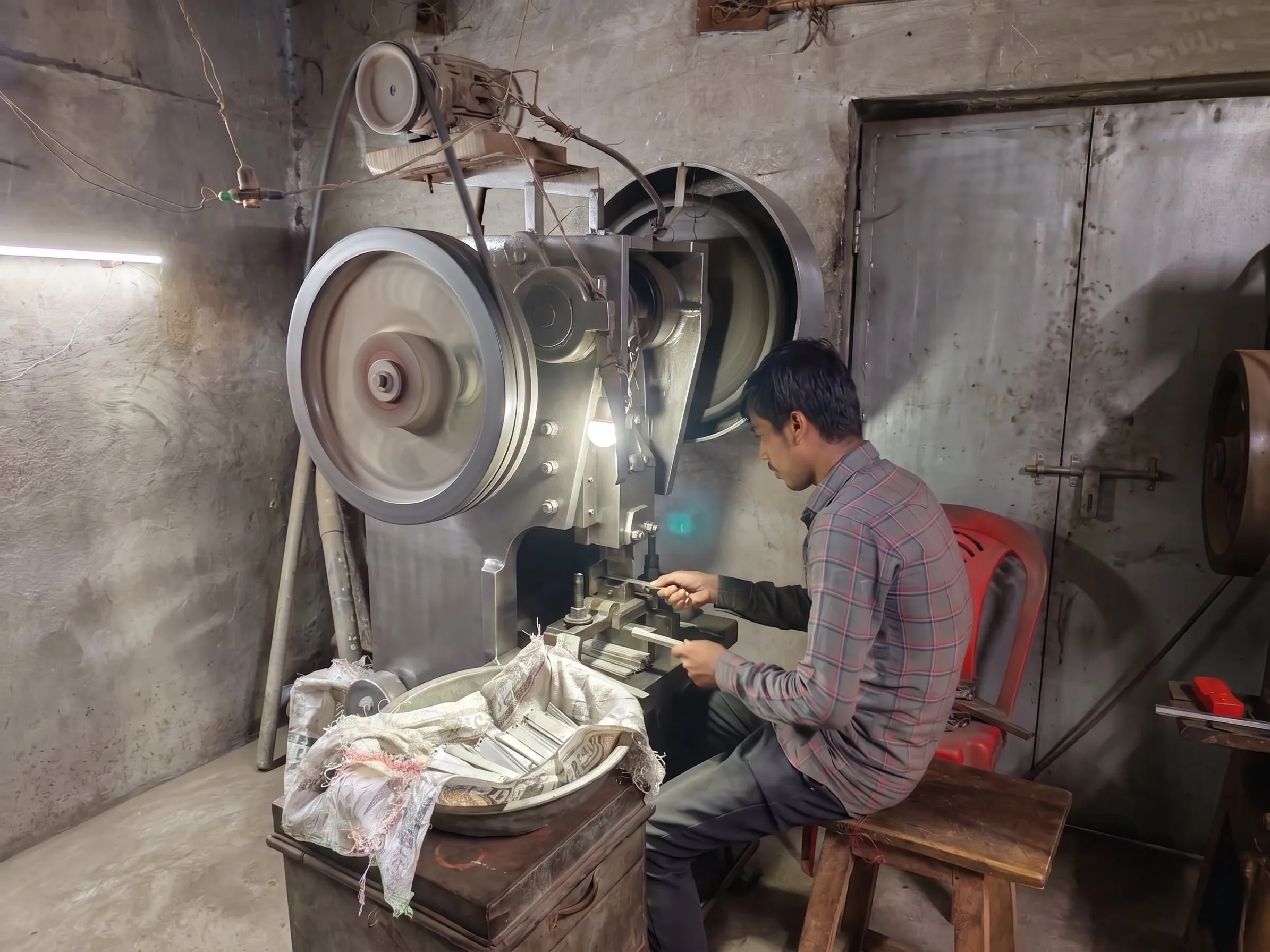
Leena Hardware has manufactured in Aligarh since 1995, is ISO certified, and is still family-run across two generations. The business has completed 15,000+ orders and ships 70,000+ items a month, supported by a dealer network of 38+ outlets across 23+ cities.
For dealers specifically: competitive margins, a rewards programme on sales targets, and a range spanning door fittings, SS handles, bathroom fittings, matte black and handcrafted brass decor — so a single supplier relationship covers several categories rather than one.
There is no registration or joining fee. Dealership is judged on how you work with your existing customers, not on an upfront payment.
If you are a brand rather than a shop — looking to have products made under your own name — we do that too: OEM and private-label manufacturing for Indian companies, with custom branding, packaging and finishes. Buyers outside India can reach us on WhatsApp; our sister brand Nexus Fittings handles export.
Buying from outside India?Nexus Fittings — hardware export from Aligarh →
Starting small is the sensible move
The honest advice, whoever you end up working with, is to start small and let the shelf tell you the answer. A brand that makes that easy is showing you something about its confidence in the product; a brand that requires a large first commitment is asking you to carry its risk.
With a minimum of one piece, trialling our range costs the price of a few items rather than a season of working capital — which is the point.
Frequently asked questions
How much does a hardware dealership cost in India?
There should be no fee to join. What you pay for is opening stock, which depends on your city, your shop and how wide a range you want, so there is no honest single figure. With Leena Hardware there is no registration, joining or franchise fee, and you can start small.
What should a new hardware shop stock first?
Start with what moves fastest. In our range that is SS handles, then L-brackets and supports, tower bolts and aldrops, in the common sizes: 6 and 8 inch handles, 4 and 6 inch tower bolts, and 8 and 10 inch aldrops.
Is there a fee to become a Leena Hardware dealer?
No. There is no registration or joining fee. Dealership is based on how effectively you work with your existing customers rather than any upfront payment.
What is the minimum order to start as a dealer?
One piece on decorative brass and two on smaller hardware items such as soap dishes, rising to around 100 only on the smallest high-volume products. That means you can trial individual pieces on the shelf before committing to volume.
What should I ask a hardware brand before stocking it?
Whether they manufacture or source, what the minimum order is and whether single pieces can be trialled, what is stated about materials, whether the warranty covers finish as well as defects, whether reorders will match existing stock, and how quickly they can restock during festive season. Ask about registration fees too — there should not be any.
Which product categories can a dealer stock?
Door fittings including aldrops and tower bolts, SS handles and door handles, bathroom fittings, the matte black collection, and handcrafted brass decor under Lifestyles by Leena — so one supplier relationship covers several categories rather than one.